How to Get Rid of Vapes and E-cigarettes in Michigan
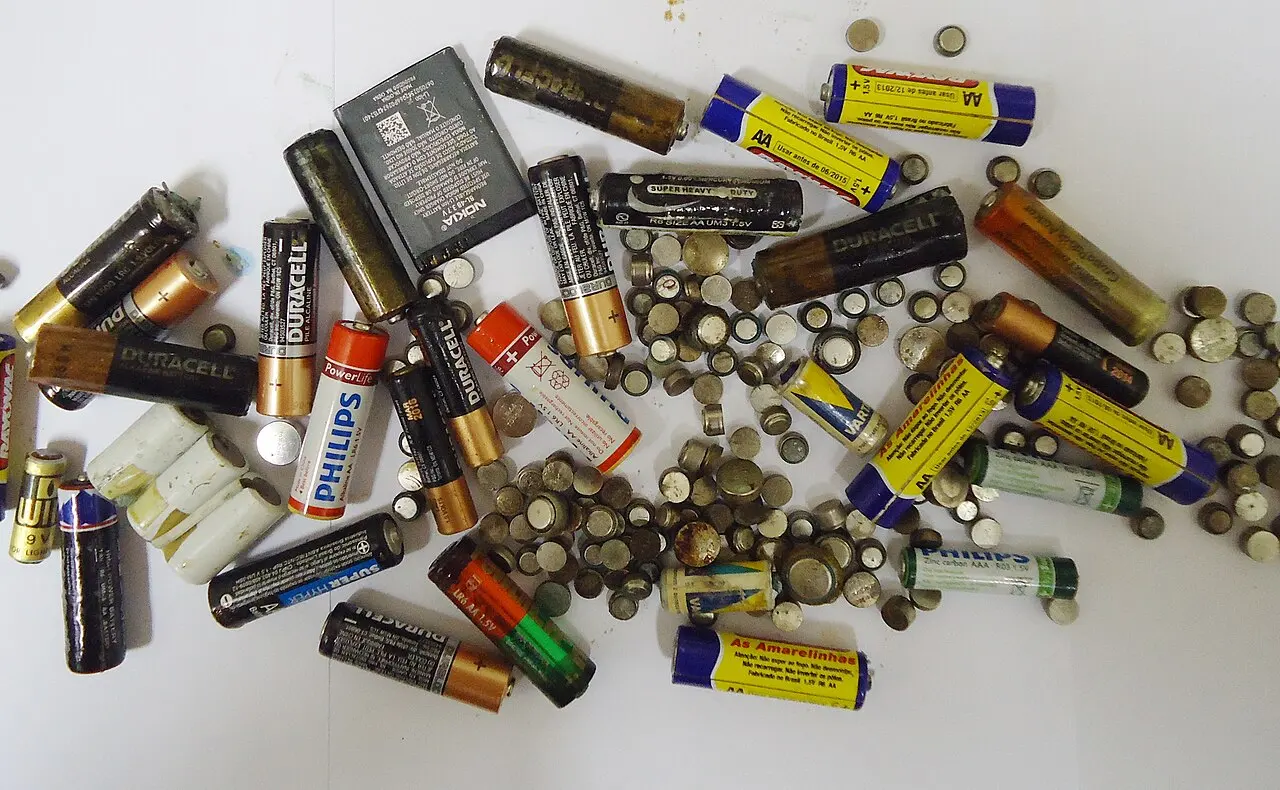
EGLE says alkaline batteries are safe in regular household trash, though recycling is best, while most other batteries are not safe for trash because of their chemicals. Rechargeable and lithium-ion batteries must never go in curbside recycling or trash because they can spark and cause fires. Batteries are not collected in curbside recycling anywhere in Michigan. EGLE points residents to retailers (Ace Hardware, Best Buy, Batteries Plus, Home Depot, Lowe's, Staples; many in Call2Recycle), local drop-off centers and local household hazardous waste collections. 53 listed sites in 34 Michigan counties say they take it, mostly household hazardous waste facilities and electronics drop-offs.
Where to take vapes and e-cigarettes near you
Michigan rules for vapes and e-cigarettes
- EGLE says alkaline batteries are safe in regular household trash, though recycling is best, while most other batteries are not safe for trash because of their chemicals. Rechargeable and lithium-ion batteries must never go in curbside recycling or trash because they can spark and cause fires. Batteries are not collected in curbside recycling anywhere in Michigan. EGLE points residents to retailers (Ace Hardware, Best Buy, Batteries Plus, Home Depot, Lowe's, Staples; many in Call2Recycle), local drop-off centers and local household hazardous waste collections. Source
- EGLE describes household hazardous waste as products purchased and used every day in homes that can harm people or the environment if not handled properly. Labels with words such as warning, caution, flammable, toxic, poison, corrosive or oxidizer indicate a hazardous product. EGLE's list includes batteries, e-cigarettes and vapes, electronics, aerosol cans, beauty products, acids and bases, cleaning products, pesticides, antifreeze, propane and other gas cylinders, gasoline and fuels, tires, used motor oil and filters, medications and needles, glues, fireworks and ammunition, light bulbs, mercury thermometers and thermostats, paints and stains, and smoke detectors. Never pour it into a storm drain or down a drain. Source
- Michigan has no statewide network of permanent household hazardous waste sites listed by EGLE. EGLE publishes a searchable county-by-county list of local collection contacts (county programs, conservation districts, municipal departments and commercial recyclers) and says collections may not be permanent and many are temporary or seasonal, so call the contact before traveling. Where no listing exists, residents are told to call city, township or county officials. If a collection is not available, contact your trash hauler about special disposal instructions. Source
- Part 173 requires manufacturers of covered electronic devices (desktop and laptop computers, monitors, tablets, televisions, printers used primarily by individuals and small businesses of 10 or fewer employees) to register and provide free, convenient take back programs; a manufacturer program must accept up to 7 products from a single consumer in one day. Retailers may not sell new covered devices from unregistered manufacturers. Recyclers that take covered devices from consumers must register annually; collectors may register voluntarily and may charge a fee when not part of a manufacturer program or for items that are not covered devices (keyboards, mice, cords). Many local governments also hold free recycling events. (Part 173 of NREPA (MCL 324.17301 et seq.), including MCL 324.17307) Source
- Participating Michigan Clean Sweep sites accept outdated, unused or unwanted pesticide products free of charge from any Michigan resident, though they are not required to take other household hazardous waste from residents outside their own counties. Collection schedules vary by county, so contact the nearest Clean Sweep site. Agribusinesses must make arrangements with a Clean Sweep site in advance and catalogue the products (name, EPA registration number, weight). Source
- EGLE lists paints and stains as household hazardous waste: oil-based paint and stains often contain toxic solvents and pigments, and latex paint sometimes contains toxic pigments. Residents are directed to local household hazardous waste collections. No Michigan paint stewardship program was found on the pages read. Source
- Section 11514 of Part 115 bars knowingly delivering these to a landfill: medical waste unless decontaminated or packaged under Part 138 of the public health code, and more than a de minimis amount of open, empty or used beverage containers, whole motor vehicle tires, and yard waste (unless it meets section 11555(1)(j)). It also bars delivering used oil, lead acid batteries, low-level radioactive waste, regulated hazardous waste, bulk or noncontainerized liquid waste or waste with free liquids (household waste other than septage is excepted), sewage, PCBs, and asbestos waste (unless the landfill complies with 40 CFR 61.154). EGLE adds that household hazardous waste such as solvents, cleansers and pesticides is not prohibited from landfills but is not well suited to them, and that similar liquids from households are not prohibited. (MCL 324.11514 (NREPA Part 115, section 11514)) Source
- Michigan businesses and agencies may manage these hazardous wastes under the streamlined universal waste standards (Part 111 Rule 228): aerosol cans, antifreeze, batteries, consumer electronics, devices containing elemental mercury, lamps, and certain pesticides; EGLE's guidance also refers to pharmaceuticals. EGLE says consumer electronics, antifreeze and pharmaceuticals as universal waste types are unique to Michigan. Household generators are not regulated in the same way unless household waste is mixed with universal waste from a non-household. (Part 111 hazardous waste rules, Rule 228 (R 299.9228), per EGLE) Source
Federal rules that apply everywhere
Before you take vapes and e-cigarettes anywhere
- Search online for household hazardous waste collections near you or contact your local solid waste agency.
- Lithium batteries in e-cigarettes can catch fire, especially when damaged, including in trash compactors and at waste and recycling facilities (EPA).
- Liquid nicotine can be absorbed through the skin and can cause nicotine poisoning with symptoms including difficulty breathing, fainting or seizures (EPA).
Michigan counties with drop-offs for vapes and e-cigarettes

Other states and federal rules: How to get rid of vapes and e-cigarettes.
Vapes disposal questions in Michigan
How do I get rid of vapes and e-cigarettes in Michigan?
EGLE says alkaline batteries are safe in regular household trash, though recycling is best, while most other batteries are not safe for trash because of their chemicals. Rechargeable and lithium-ion batteries must never go in curbside recycling or trash because they can spark and cause fires. Batteries are not collected in curbside recycling anywhere in Michigan. EGLE points residents to retailers (Ace Hardware, Best Buy, Batteries Plus, Home Depot, Lowe's, Staples; many in Call2Recycle), local drop-off centers and local household hazardous waste collections. 53 listed sites in 34 Michigan counties say they take it, mostly household hazardous waste facilities and electronics drop-offs.
Can I put vapes and e-cigarettes in the trash in Michigan?
EGLE says alkaline batteries are safe in regular household trash, though recycling is best, while most other batteries are not safe for trash because of their chemicals. Rechargeable and lithium-ion batteries must never go in curbside recycling or trash because they can spark and cause fires. Batteries are not collected in curbside recycling anywhere in Michigan. EGLE points residents to retailers (Ace Hardware, Best Buy, Batteries Plus, Home Depot, Lowe's, Staples; many in Call2Recycle), local drop-off centers and local household hazardous waste collections.
Where can I drop off vapes and e-cigarettes for free?
Sites list fees separately. 31 of the listed sites publish fees; the rest do not.
Does Michigan have a recycling program for vapes and e-cigarettes?
Michigan has no statewide network of permanent household hazardous waste sites listed by EGLE. EGLE publishes a searchable county-by-county list of local collection contacts (county programs, conservation districts, municipal departments and commercial recyclers) and says collections may not be permanent and many are temporary or seasonal, so call the contact before traveling. Where no listing exists, residents are told to call city, township or county officials. If a collection is not available, contact your trash hauler about special disposal instructions.
Which Michigan counties take vapes and e-cigarettes?
Ottawa, Antrim, Macomb, Washtenaw, Wayne, Berrien, Ingham, Kalamazoo, Kent, Marquette.
What federal rules apply to vapes and e-cigarettes?
EPA says not to put e-cigarettes in household trash or recycling and to take them to a household hazardous waste collection site, because they contain nicotine and lithium batteries.
How should I prepare vapes and e-cigarettes for drop-off?
Search online for household hazardous waste collections near you or contact your local solid waste agency.
Is there a collection day for vapes and e-cigarettes?
See the events page.